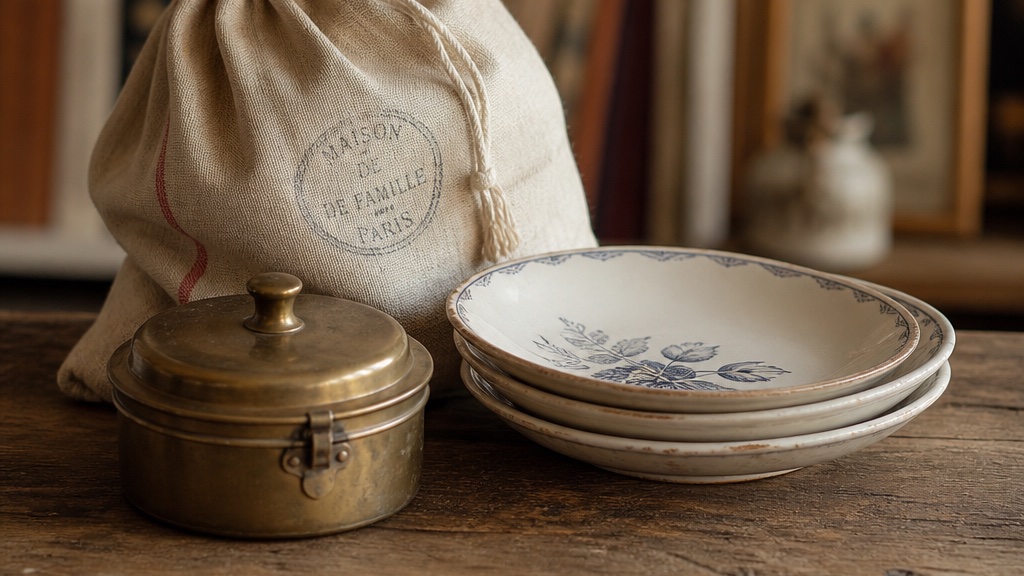
A plate from the 1960s already has sixty years behind it. It was fired, glazed, used, perhaps loved – and now it stands ready again. No raw material had to be mined, no factory fired up, no parcel shipped halfway around the globe. Anyone who buys vintage makes a decision that reaches far beyond their own taste. It is one of the simplest and most beautiful ways to do something for the climate in everyday life.
What new production really costs
Every object standing new on a shelf today has come a long way. Raw materials are extracted – sand for glass, ores for metal, crude oil for plastic. They are transported, processed, packaged and shipped. Each of these steps consumes energy and causes CO₂ emissions.
A few figures make it tangible: producing a single cotton T-shirt uses an estimated 2,700 litres of water – roughly as much as a person drinks in two and a half years. According to the UN, global textile production causes more greenhouse gases than international air and shipping traffic combined. And with household goods, ceramics or furniture, too, energy and resource consumption add up considerably.
Anyone who buys an object secondhand bypasses this entire production chain. The ecological footprint of a vintage piece is much smaller compared to a newly manufactured one.
Less waste, more appreciation
Alongside the climate aspect, there is a second, often underestimated problem: mountains of waste. In Germany, around 500,000 tonnes of electronic waste end up in the trash every year, along with furniture, tableware, decorative items and textiles. Much of it is still fully functional.
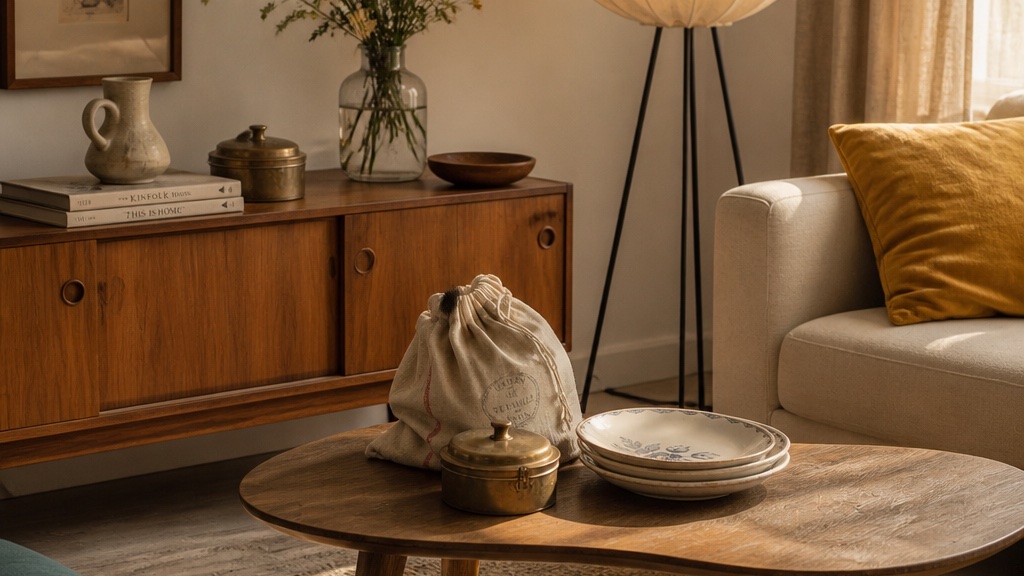
Vintage and secondhand break this cycle. Instead of throwing things away and replacing them with new ones, they stay in circulation. A Rosenthal coffee service from the 1970s works just as well as a new one – often even better, because the material quality was different. Porcelain was fired more heavily, metal was more solid, wood came from local forests.
That also changes the way we see the objects themselves. Anyone who knows that a bowl has already survived for decades treats it differently. Vintage nurtures a culture of appreciation – and that may be the most important building block of true sustainability.
Five everyday tips for making the switch
Consuming more sustainably doesn’t have to be complicated. Here are five approaches that are easy to put into practice:
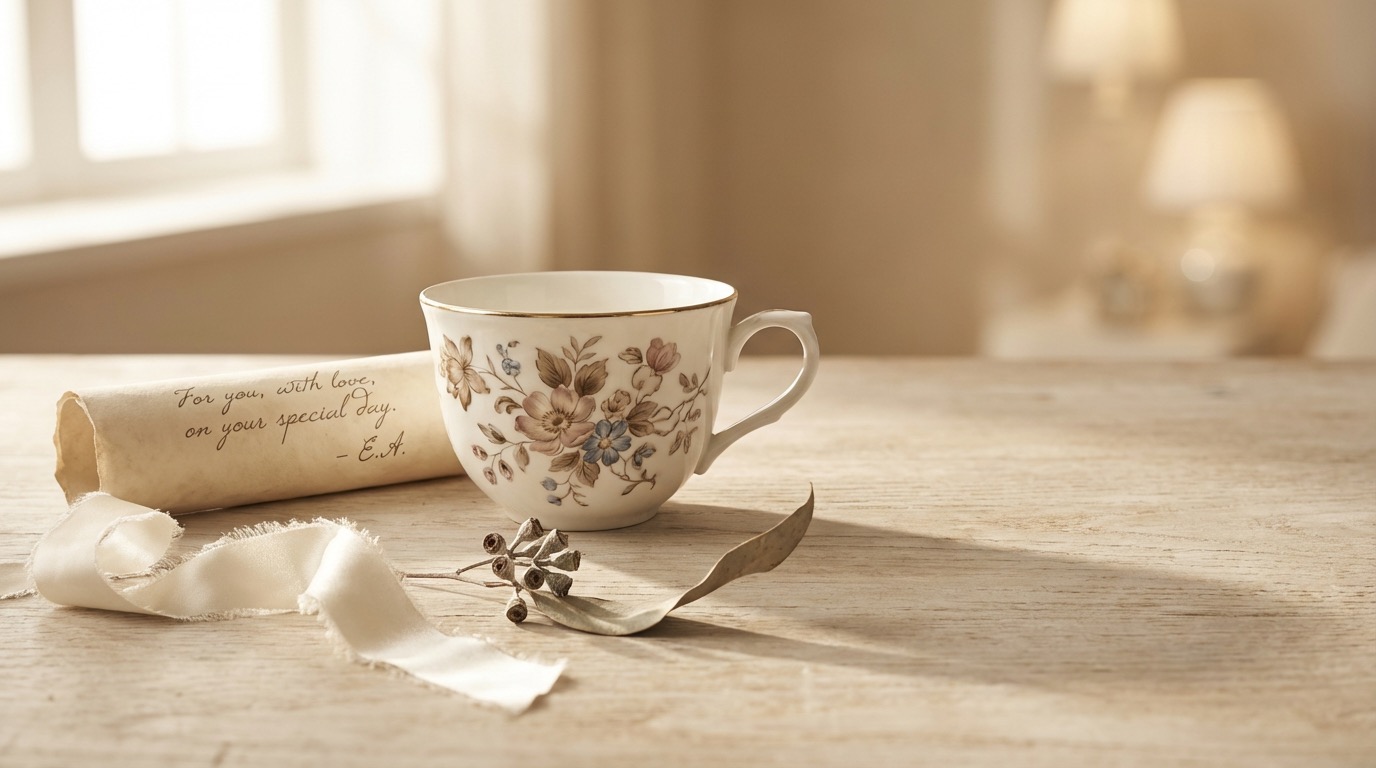
Think of gifts as vintage. Instead of reaching for the standard product, give something with a history. An old jewellery box, a hand-painted plate, a vintage picture frame – gifts like these stand out and tell a story no new purchase can offer.
Look secondhand first when furnishing. Before you order something new, browse flea markets, secondhand shops or platforms like Etsy. Especially for decoration, tableware and small furniture, the selection is huge – and the quality often surprisingly high.
Broken doesn’t mean worthless. A broken-off handle, a loose frame, a dull metallic sheen – much of it can be repaired with simple means. Gluing, polishing, restoring: this way you extend the lifespan by another few decades.
Learn to recognise quality. Pay attention to brands, materials and craftsmanship. A piece by Hutschenreuther or Villeroy & Boch from the 1950s isn’t just beautiful, it’s also robustly made. Bottom marks, material thickness and craft details reveal a lot about the value.
Start small. You don’t have to overhaul your entire home at once. Begin with a single category – vases, picture frames or tablecloths, for example. Over time you develop an eye for special pieces and notice how much joy there is in owning things with a past life.
Vintage is not a sacrifice
There is a widespread misconception: that anyone who buys secondhand has to make compromises. The opposite is true. Vintage pieces bring something with them that new goods can rarely offer – character, craftsmanship and a connection to a particular era.
A mid-century travel alarm clock by Kienzle has a design that still looks modern today. A hand-painted ceramic bowl from a Bavarian manufactory shows marks no 3D printer can imitate. And a linen tablecloth with a monogram speaks of an era in which textiles were made to last for decades – not for a single season.
Living in a climate-friendly way and surrounding yourself with beautiful things are not mutually exclusive. On the contrary: vintage combines both in the most natural way.
Browse with a clear conscience
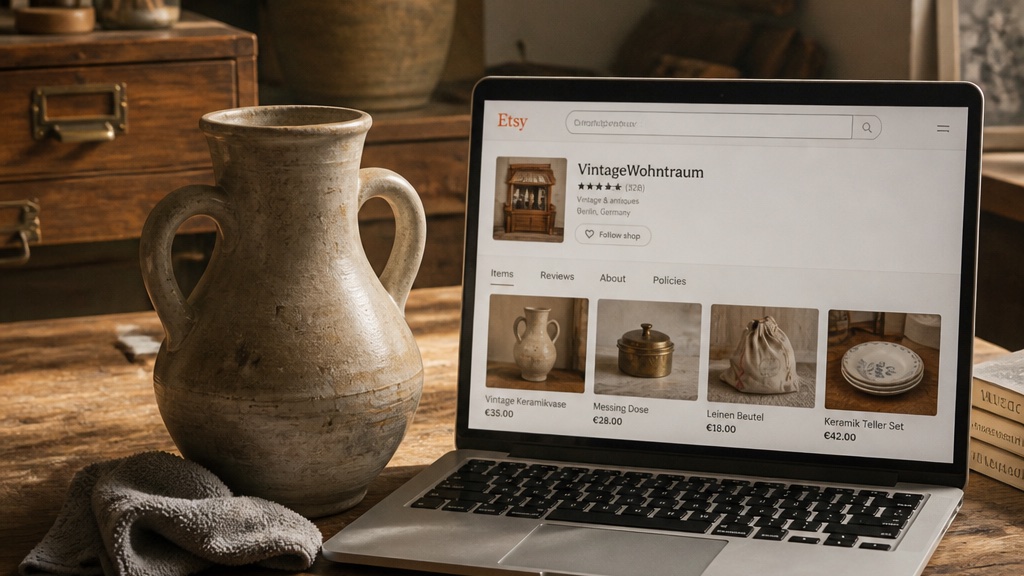
If you feel like giving vintage a chance – or expanding your collection – then feel free to stop by the Bavarian Heritage Etsy shop. Every piece there has its own story, was carefully selected and is waiting to be used again. Sustainable, special and full of soul.