Using vintage pieces in a modern home brings depth, character, and a sense of history without disrupting a clean aesthetic. Many people enjoy the calm of contemporary interiors but want the warmth and authenticity that older objects offer. The question is how to combine both styles so a room feels curated rather than cluttered.
Why Vintage and Modern Work Well Together
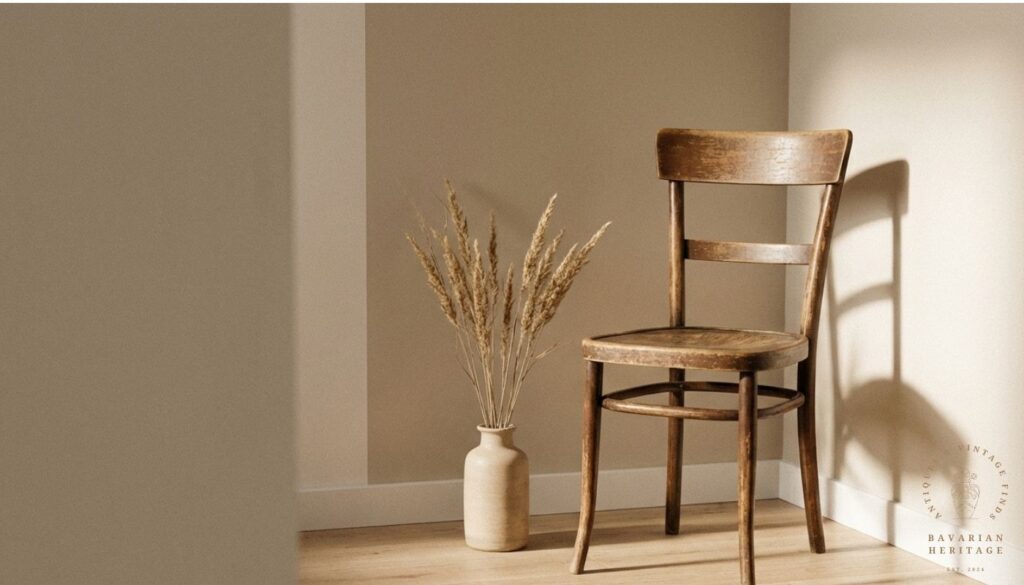
Modern interiors often rely on simple lines, muted colors, and a reduced visual language. This creates the perfect backdrop for vintage pieces. A chair with patina, a vase showing handmade details, or a mirror with delicate ornamentation adds contrast and texture. These contrasts feel intentional and elevate the room.
Vintage items also carry stories. They bring authenticity to spaces that might otherwise appear too polished. Choosing vintage is also a sustainable decision, extending the life of existing objects.
Key Principles for a Successful Style Mix
• Choose a focal piece: One or two strong vintage items add more impact than many small ones. A mid-century sideboard or an antique chair can anchor a room.
• Harmonize colors and materials: If your home features greys, whites, or soft neutrals, look for vintage wood tones, brass, or muted ceramics.
• Mix textures: Modern spaces benefit from the warmth of aged materials. A concrete floor with an old wooden dresser creates a balanced tension.
• Consider proportions: Large statement pieces need space. Smaller items like ceramics, mirrors, or bookends work well on shelves or sideboards.
Practical Ideas for Different Rooms
Living room: A vintage armchair makes a strong focal point. Pair it with a modern rug and neutral cushions.
Kitchen: Old ceramics, enamel bowls, or a single vintage cutting board add warmth to minimalist kitchens.
Bedroom: An antique mirror or a small dresser introduces a gentle nostalgic feel.
Home office: A vintage bookshelf or even a decorative typewriter can add subtle character.